Many Worlds Litepaper
A cozy collection game across parallel worlds
How the game works, what you own, and what we will never do.
Table of Contents
Summary
Many Worlds is a virtual pet game for adults who grew up on Neopets, Pet Society, Petz, and Animal Crossing. You live as a Keeper in a small town called Meridia, care for pets, decorate a home, shop weekly limited drops, and travel through portals to themed parallel worlds. It runs in your browser and on your phone with one account, and it is free to play without ever touching crypto.
The collection layer sits on top. Pets from limited NFT collections are owned on-chain, tradeable on open marketplaces, and change as you play: each discovers alternate selves in other worlds, recorded permanently on the pet. Every collection is population-capped, and rare stays rare. Rarity is cosmetic, never a stat. We are launching the game first, in beta, and holding the first collection until the game has proven itself and a chain partner is chosen.
Why this, why now
A generation raised on petsites has had no home for a decade: the classics are web-only relics, the cozy mobile games have no depth, and Pet Society was shut down with millions of players still logged in. Meanwhile web3 gaming has produced plenty of collections and very few games worth playing. The 2025 market made the verdict plain: the projects that survived were games first.
Many Worlds is built by the former Chief Marketing Officer of Neopets, previously of Supercell esports and Cool Cats, with a live, revenue-generating petsite platform already shipped. We have built and marketed both halves of this game before.
The game
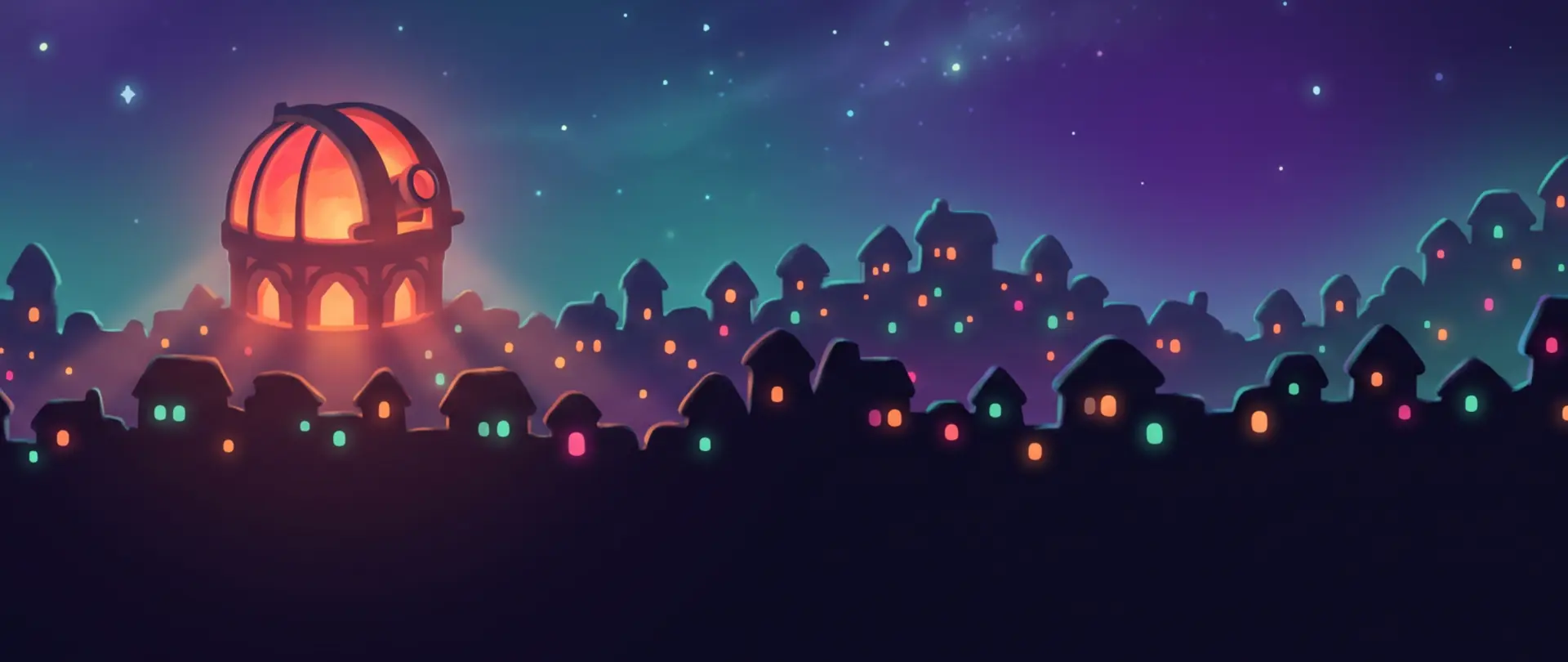
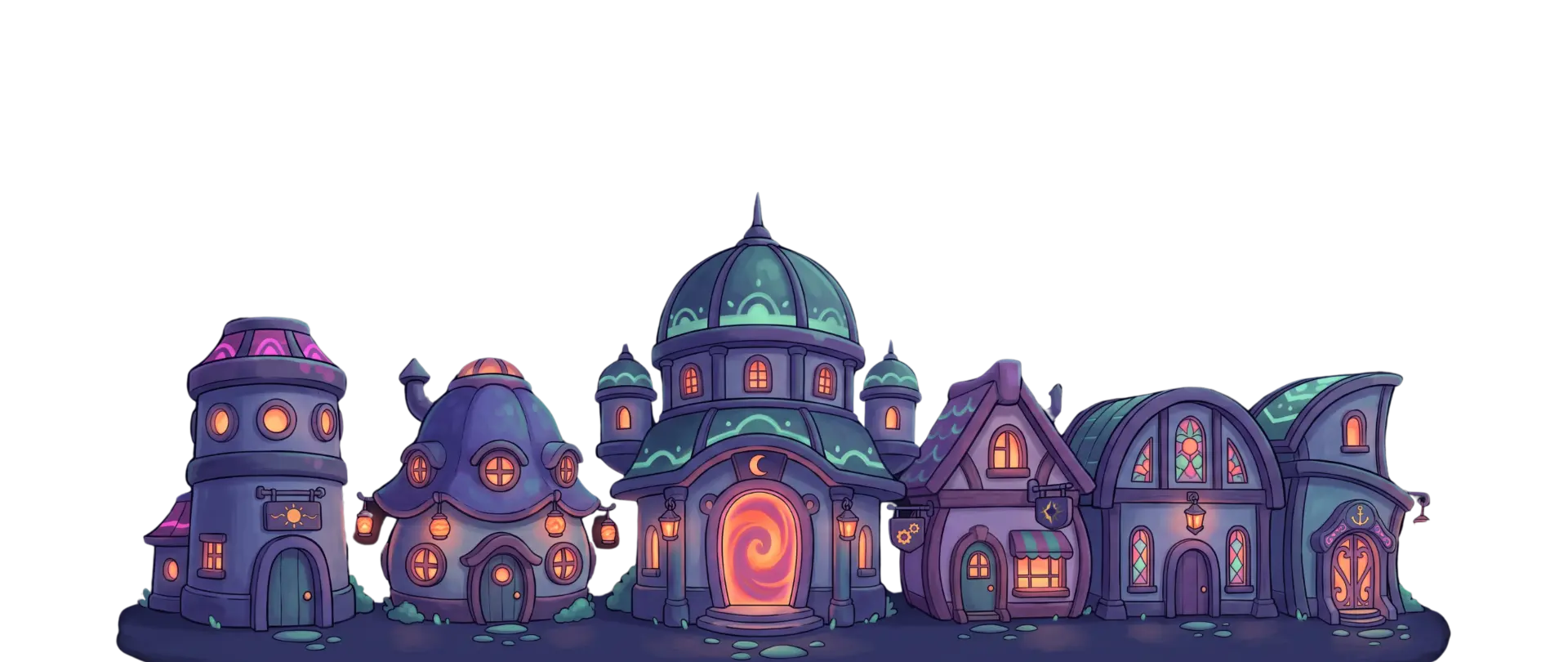
You arrive in Meridia, a lantern-lit town built around the Waystation, a portal terminal to other worlds. You are a Keeper: a human character dressed from a wardrobe of thousands of items. Your pets live with you. One walks beside you as you explore; the rest wait at home.
A day in Meridia: brush, feed, and wash your pets, which pays out Coins; stop by the Bank for daily interest; check the shops for this week's limited items before they retire; take a lap through a world to gather materials and play its minigame; rearrange a room; visit a friend, boop their pets, sign their guestbook, and mail them a gift. Nothing decays and nothing punishes absence. Come back after a month and everything is exactly as you left it.
Your home is a living diorama. Drag furniture anywhere, change wallpaper and floors, buy new rooms, and watch your pets use what you place. Friends walk through it as you built it.
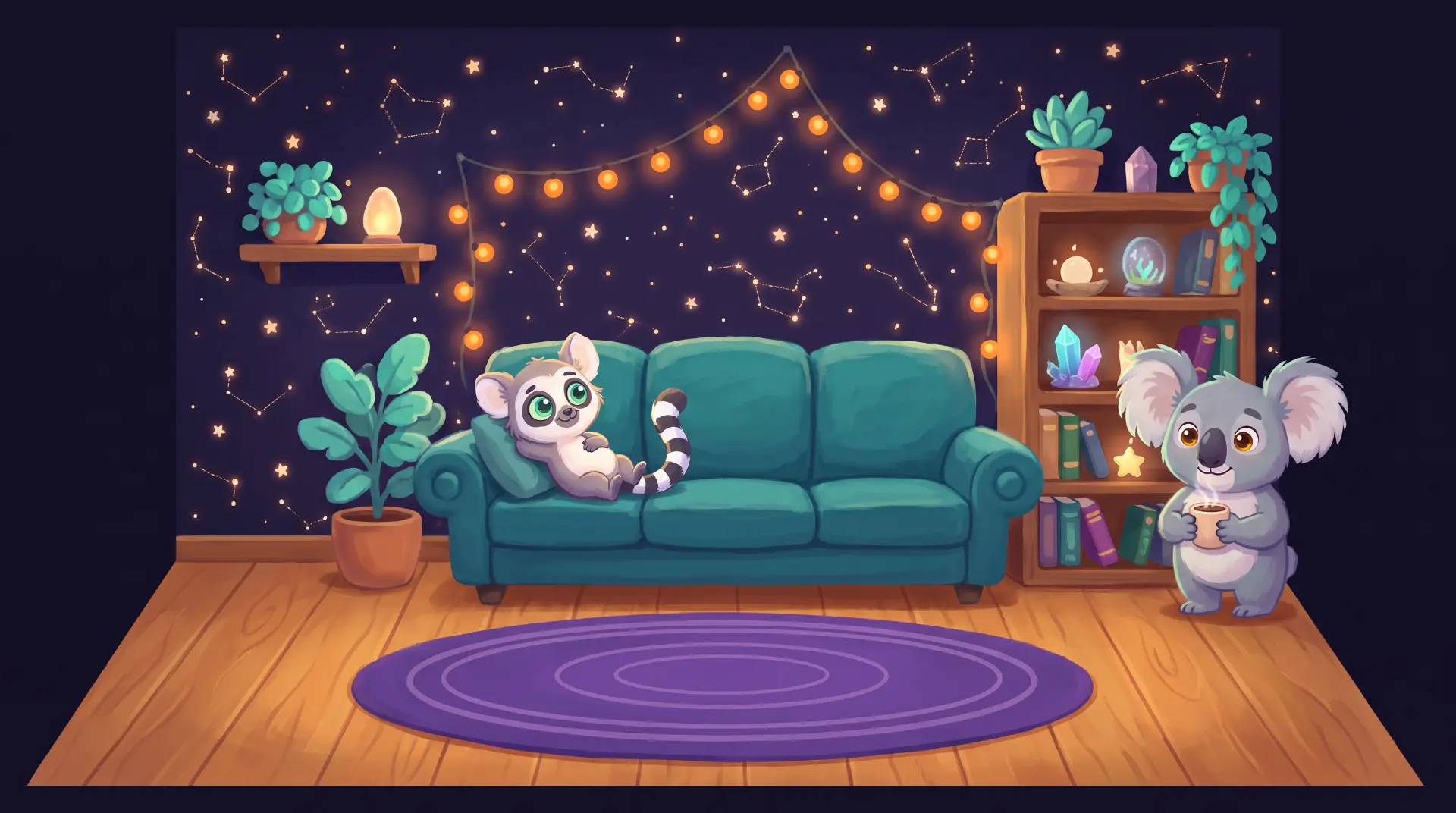
Nothing decays and nothing punishes absence.
Worlds
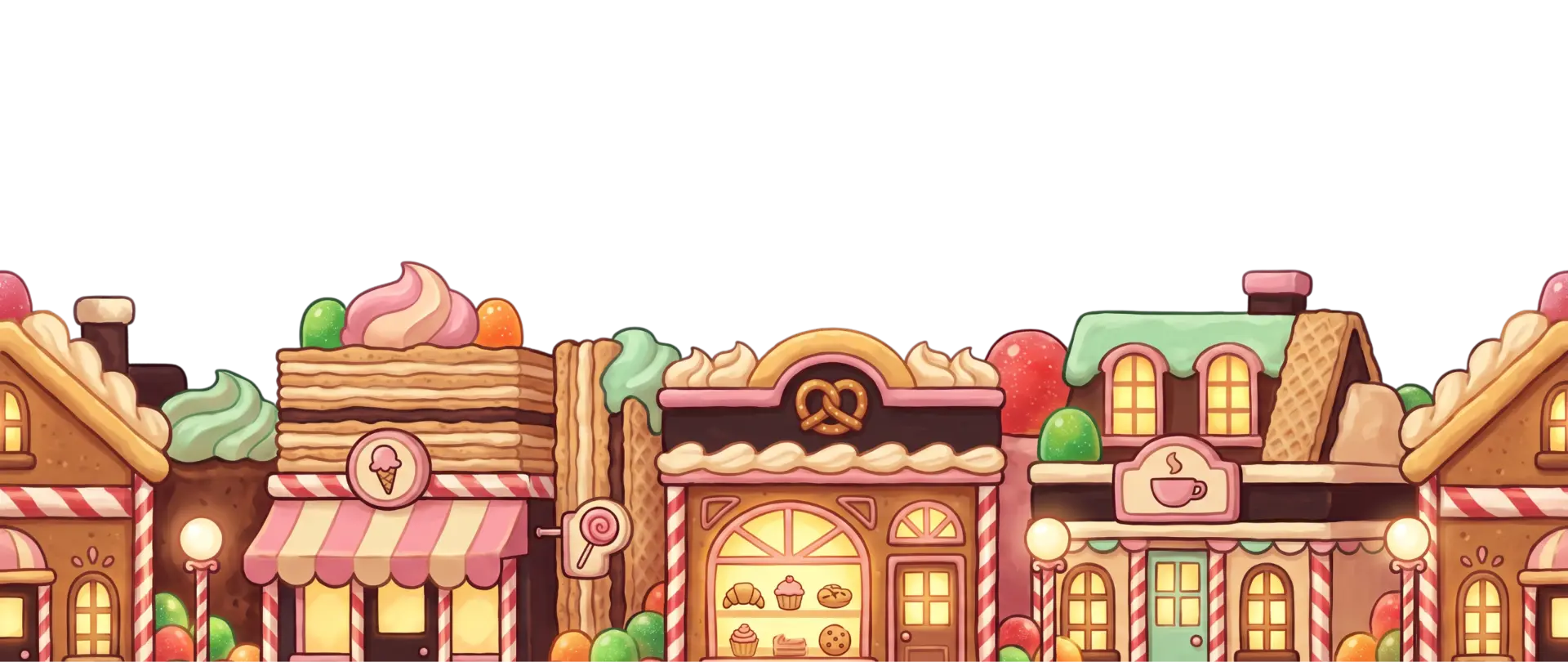
Meridia is the hub. Two themed worlds open at launch: Butterscotch Hollow, a candy world at cocoa dusk, and Palmshade Plaza, a neon boardwalk under a sunset grid. Each world has its own shop line, a signature minigame, a gathering spot, an Echo site, and its own residents. New worlds arrive as content drops, and every new world gives every pet you already own something new to find.
Pets, foxes, and the lore
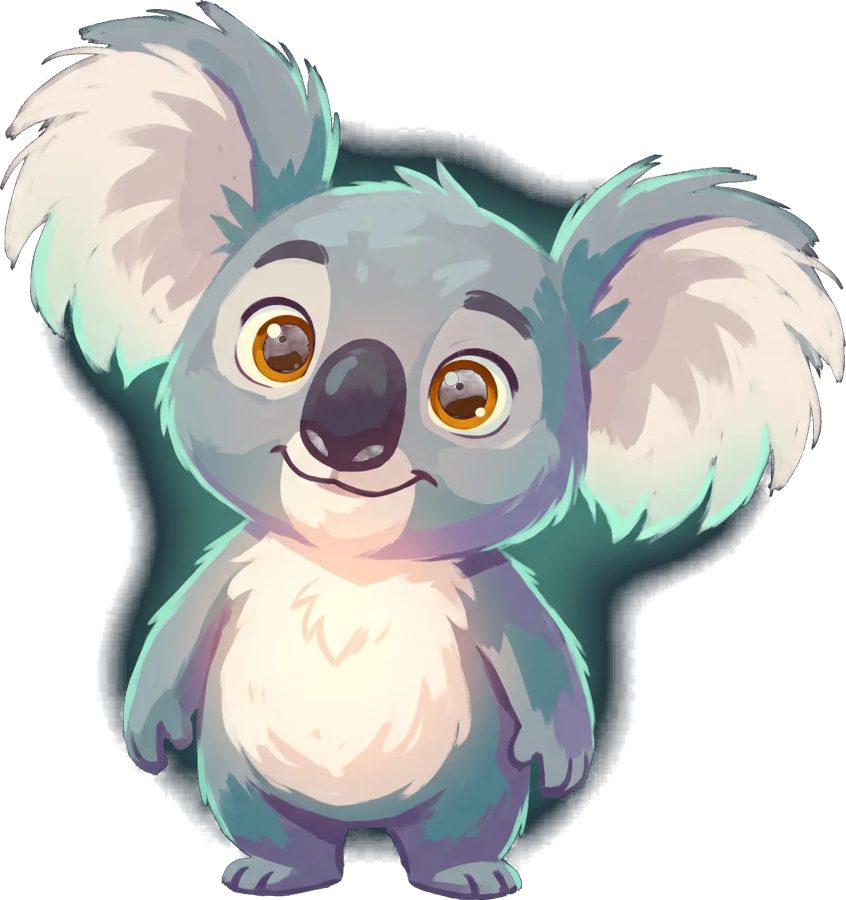
Every pet belongs to a Family, a Species, and a Breed, and then rolls its own traits: coat, pattern, eyes, glow, markings, and occasionally something rarer, like wings or an unusual tail. Rarity runs on two axes, the breed's tier and the traits' odds, across five tiers: Common, Uncommon, Rare, Mythic, and Singular. Singulars are one-of-one.
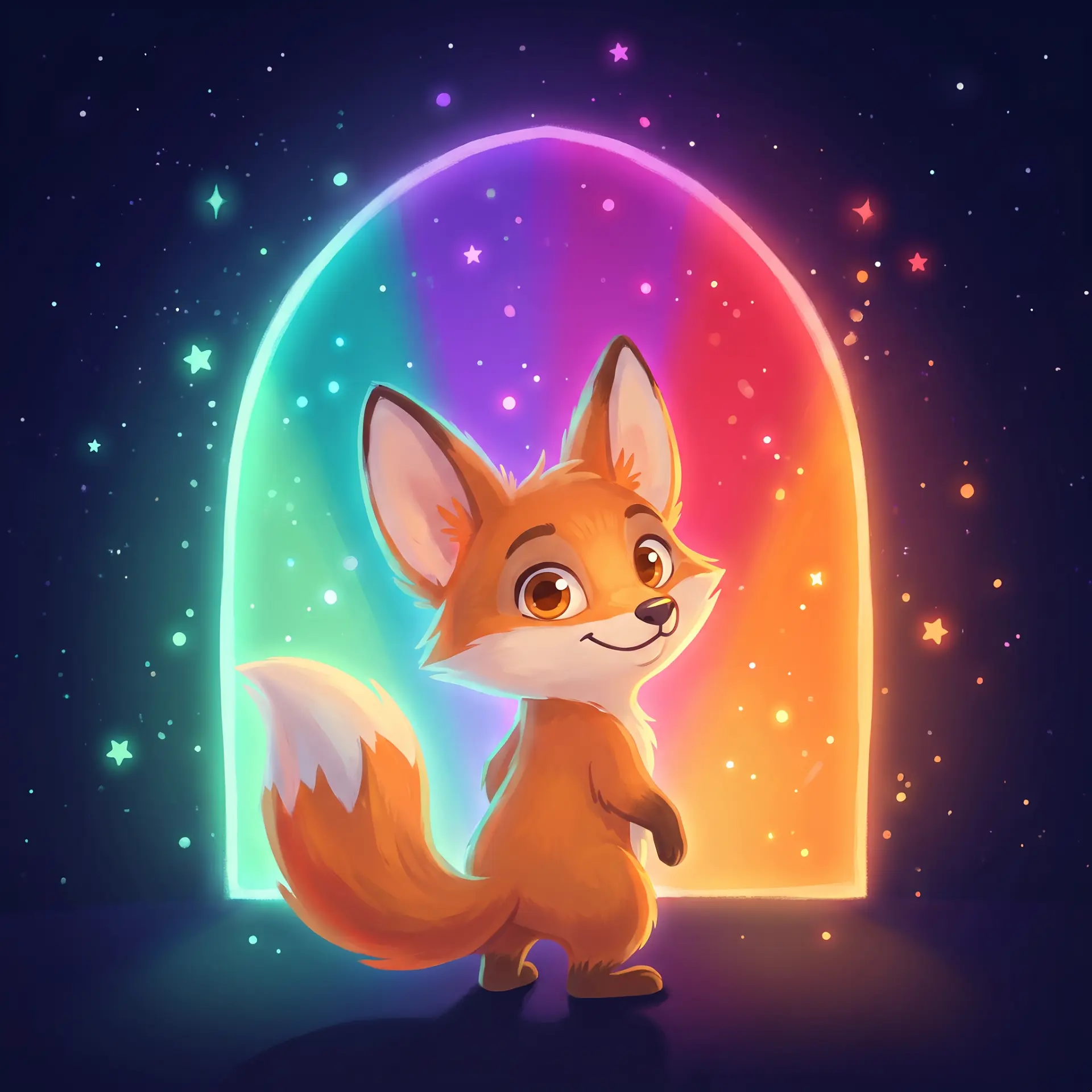
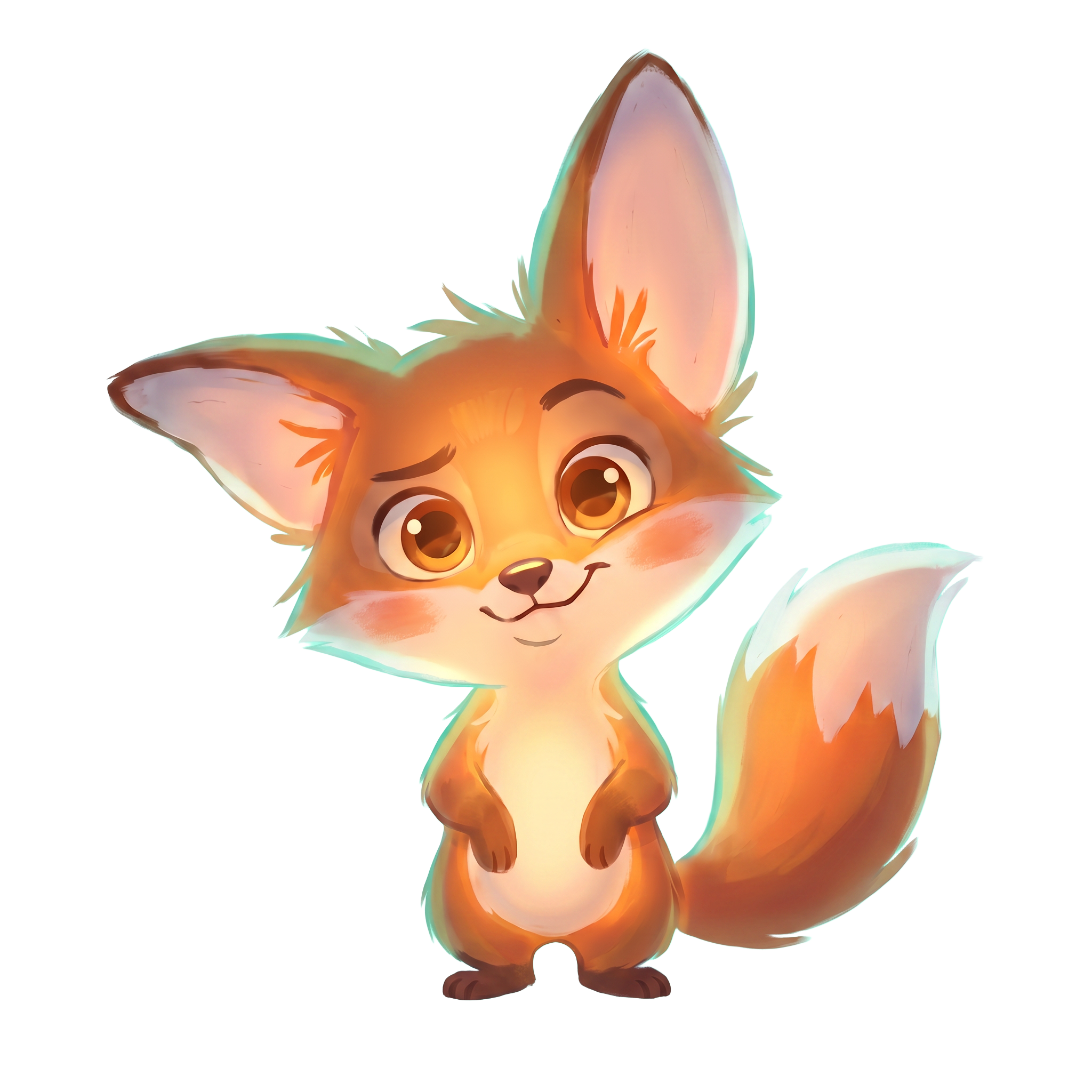
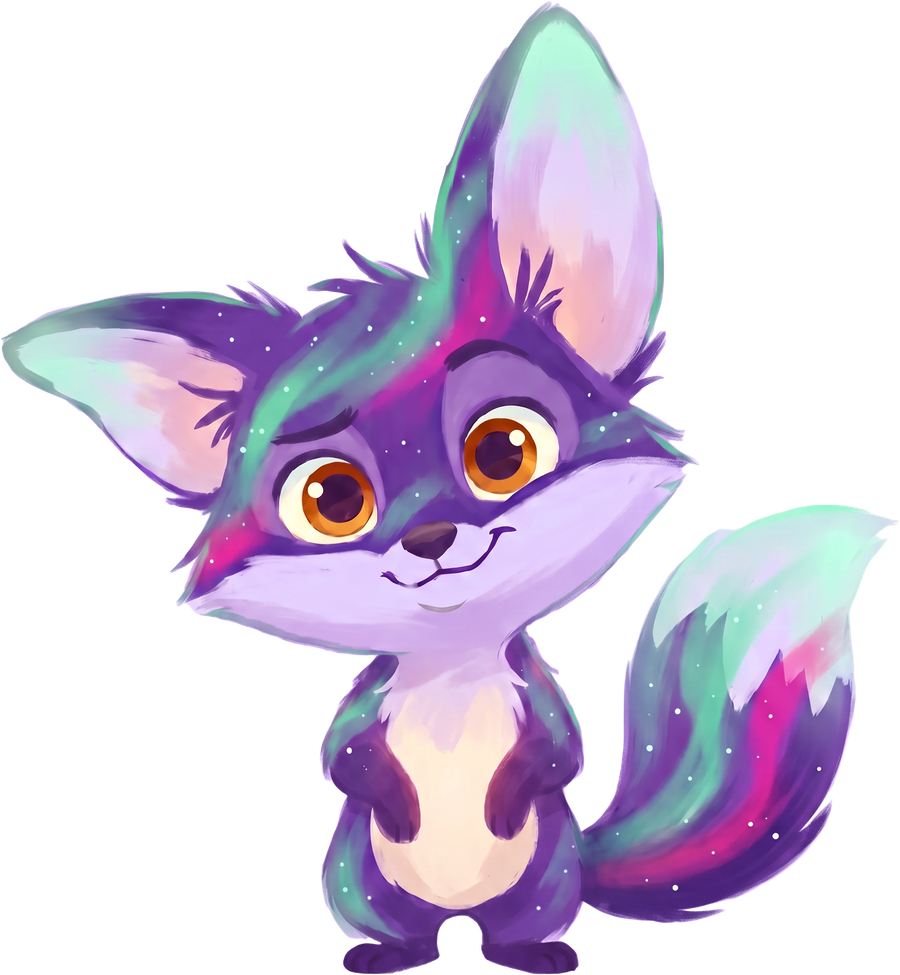
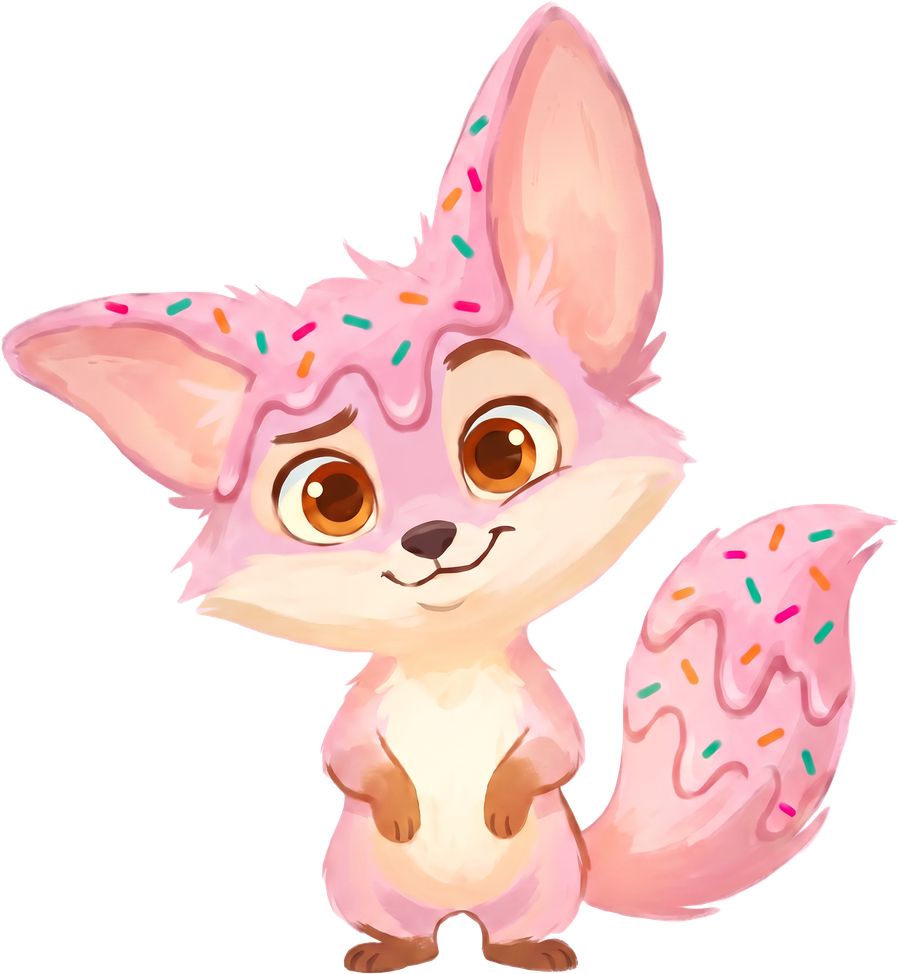
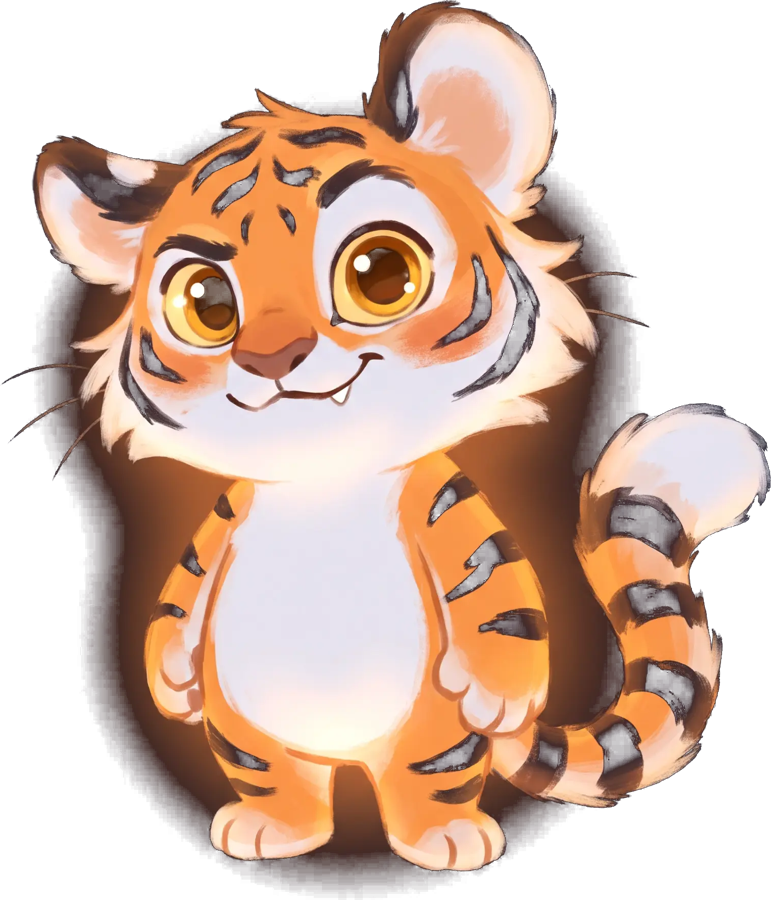
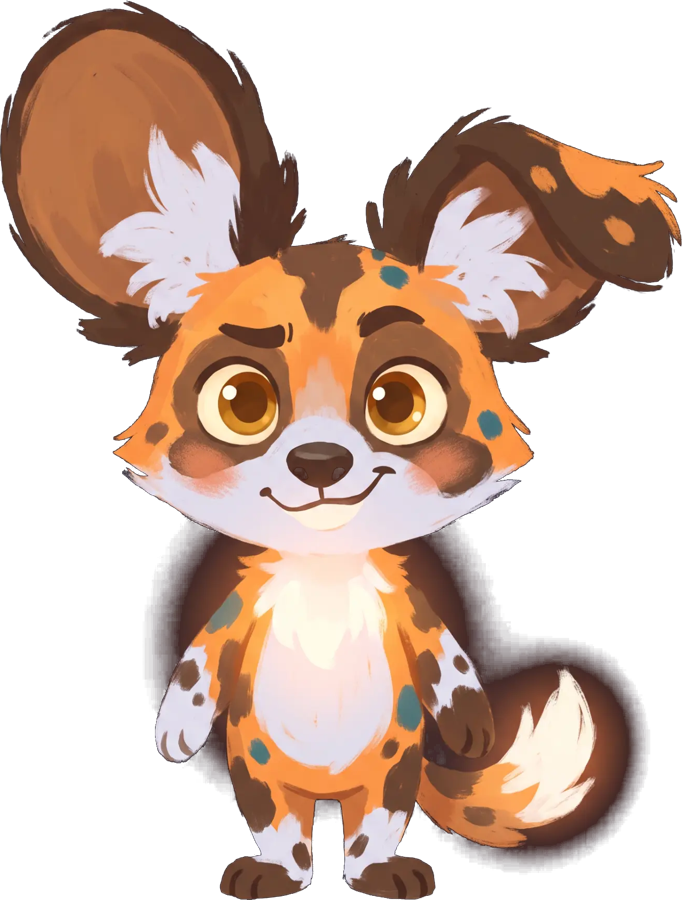
In Meridia's fiction, pets change the way the famous Belyaev foxes did. In 1959 a Soviet geneticist began selecting silver foxes for tameness alone, and within a few generations they spontaneously grew floppy ears, curled tails, and piebald coats that nobody had bred for. Gentleness, it turned out, brings its own unexpected beauty. That is why Many Worlds pets vary the way they do, and why the first pets every Keeper receives are foxes.
Beta Keepers receive a fox at onboarding. Beta foxes are permanent, never sold, never tradeable, and never part of any NFT collection. They are the mark of having been here first.
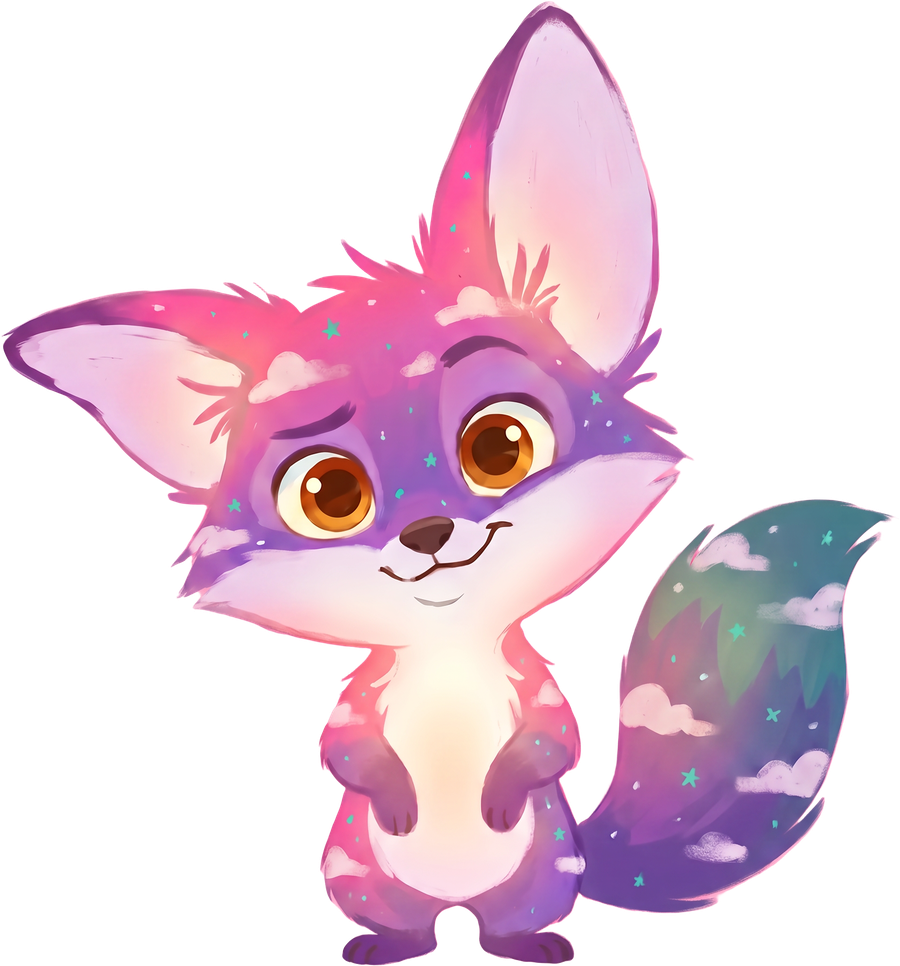
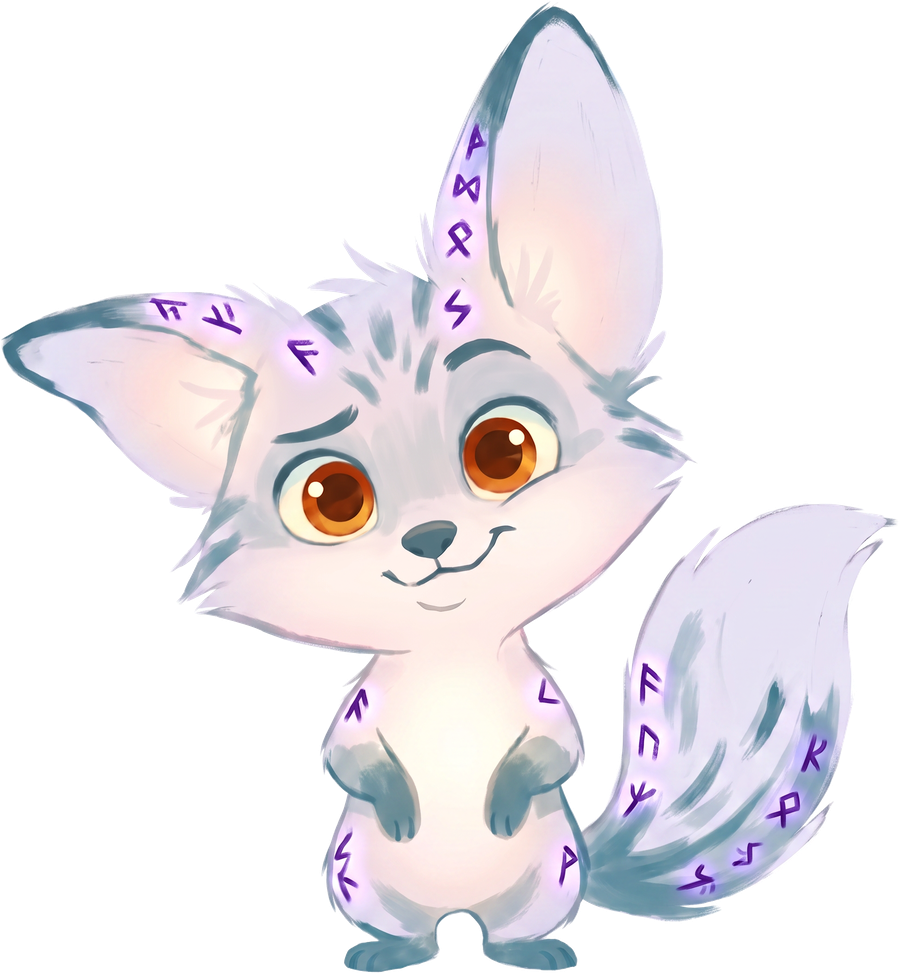
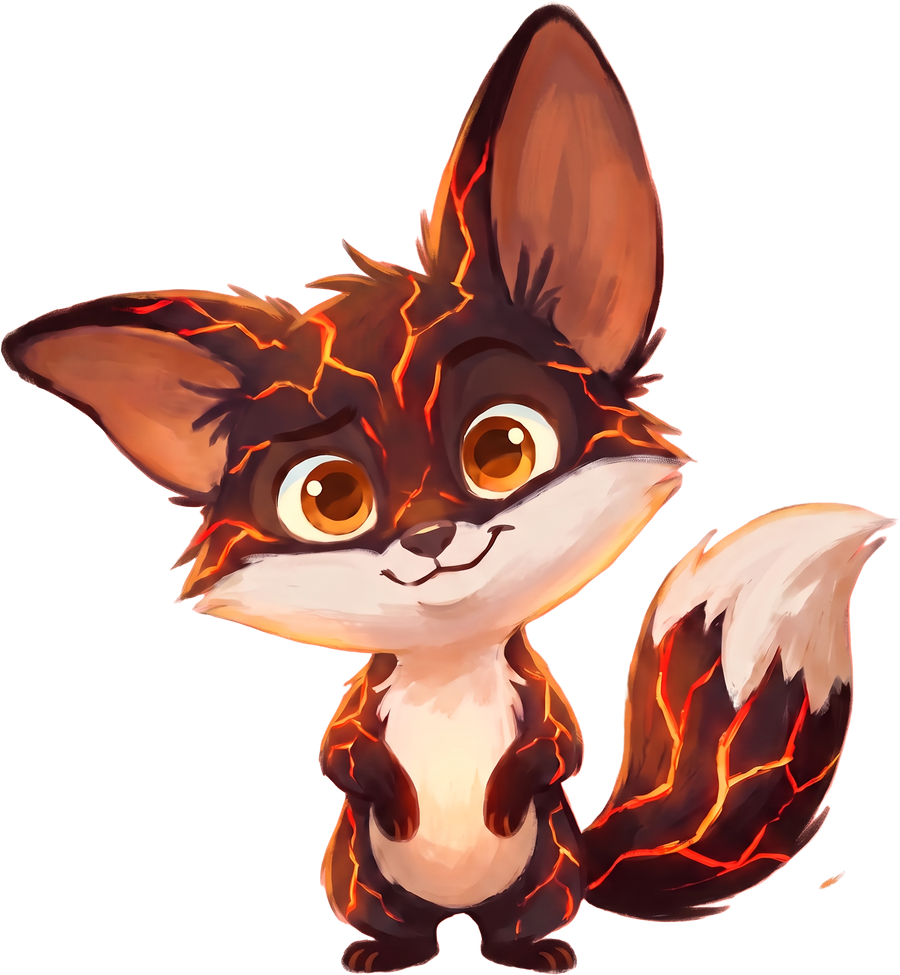
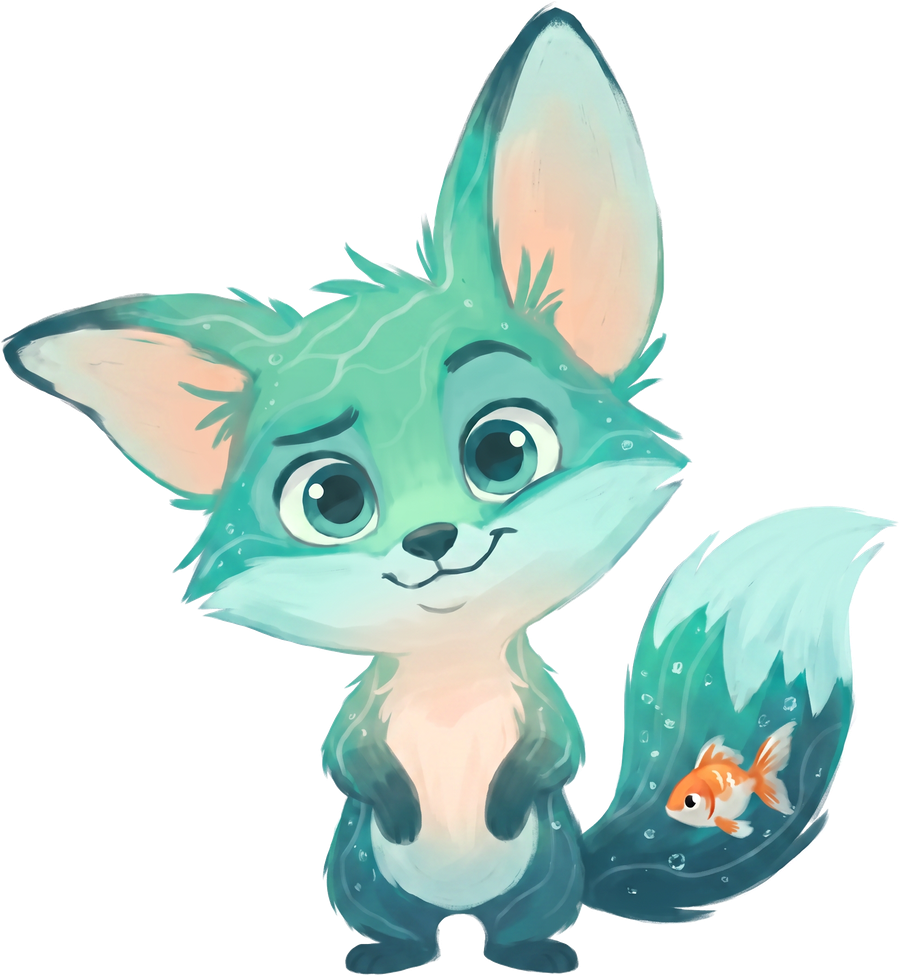
Star Capsules and Starfall
A Star Capsule is simply the sealed, pre-reveal form of a collection pet. During beta it is your guaranteed place in the first collection, held for your wallet. At Starfall it becomes an unrevealed NFT, and when it opens, the species, breed, and traits inside are decided by published odds.
Capsules are earned, not bought. They accrue from Founder's Pass tenure, from events, and from play. A sealed Capsule cannot be sold or transferred; it is yours until it opens.
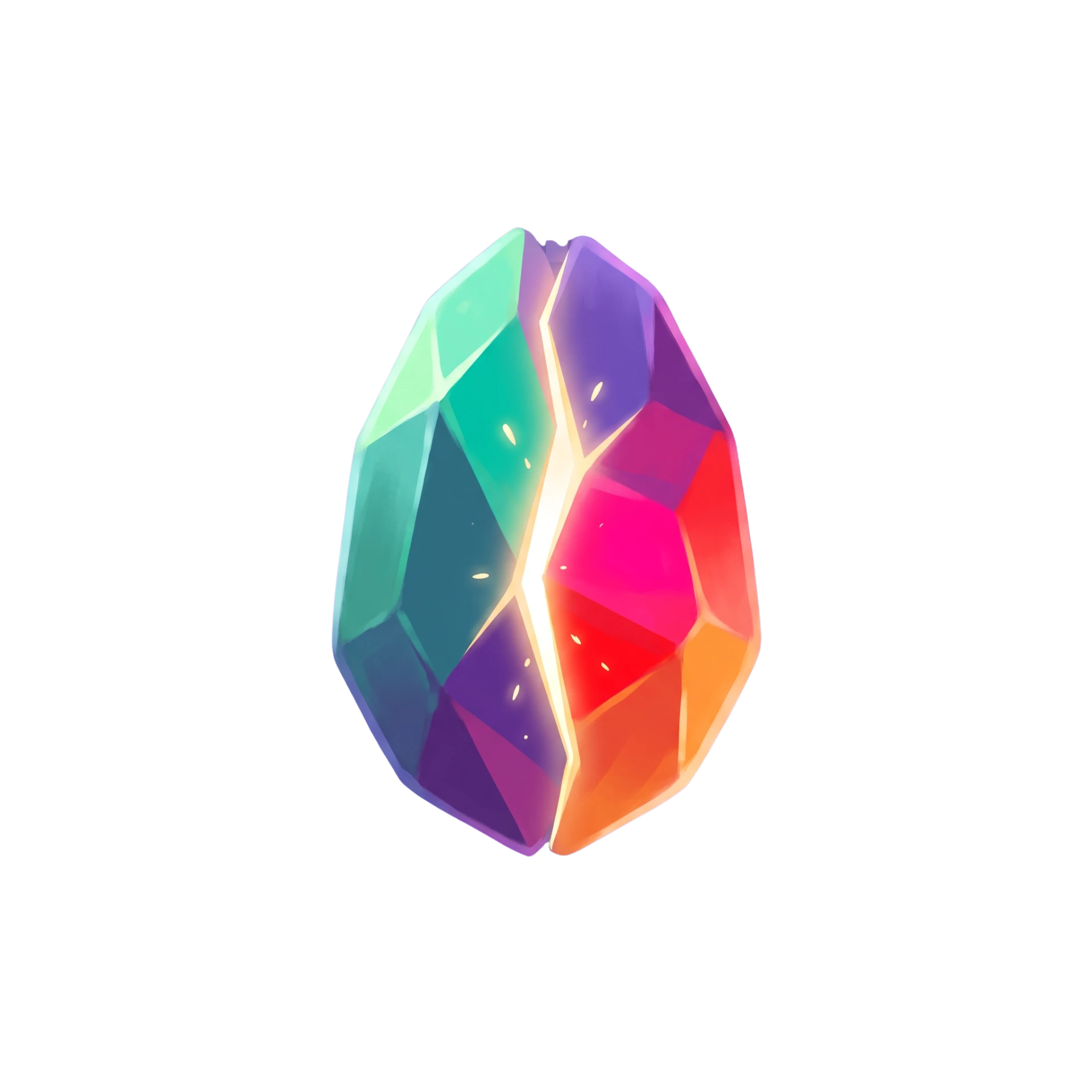
Tending. Each sealed Capsule has a Tending level from 0 to 3. You raise it at the Waystation by spending Coins and reaching play milestones, at most one level per Capsule per week. Tending decides when you mint on Starfall and what you pay. Playing now earns a better position later.
Starfall is the mint window for a collection. It opens in phases: Tending level 3 first, then 2, 1, and 0, then partner collections (TBD), then the public phase, where anyone can mint additional pets with the chain's currency. Capsules earned in beta mint free in their phase. When the window closes, every minted Capsule opens at once: placeholder art flips to the real pet, decided by verifiable on-chain randomness with odds published in advance. Singulars are seeded at reveal by the same randomness, with every minted Capsule holding an identical chance. There is no pity system; the odds are the odds, and anyone can check them. A Capsule not claimed during Starfall carries forward to the next collection.
 Tending 0Tending 1Tending 2Tending 3
Echoes
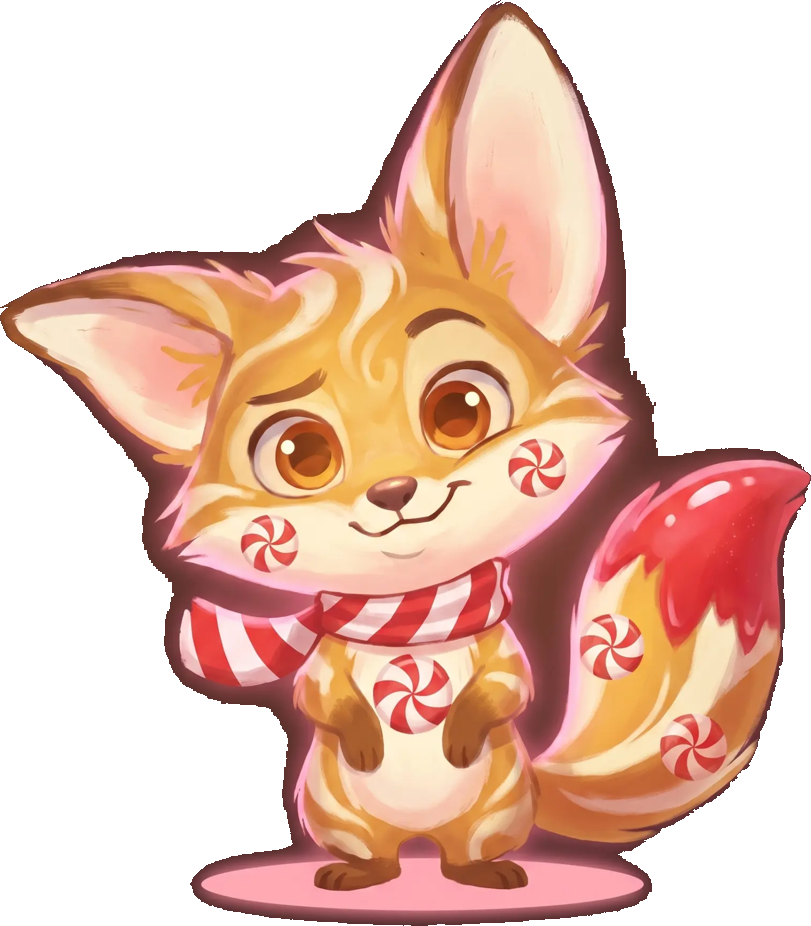
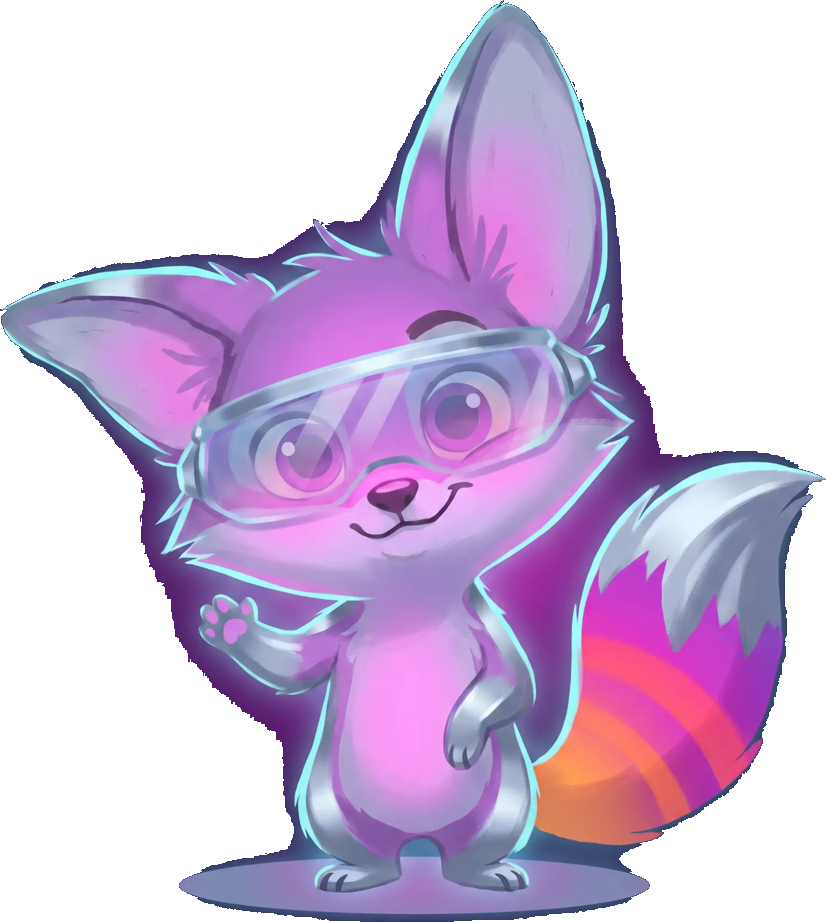
Every collection pet has an Echo in every world: the version of itself that exists there. Take a pet to a world's Echo site, complete a short ritual, and discover it. You can switch the pet's look to any Echo it has found. Echoes are recorded permanently on the pet as traits, never as a changing image, so a well-travelled pet carries a visible history wherever it goes, including on marketplaces. Every new world means a new Echo waiting for every pet ever made.
Merging and supply
Pets from parallel worlds were always the same being, separated across universes. Merging brings two pets of the same family home to each other: they become one whole pet, with a rarity shaped by both and a chance at something rarer, and both names are kept in its lineage forever.
Every collection has a population cap. A fixed number of a family's pets can exist at once, and that number never rises. Merging frees slots, and freed slots return as new Star Capsules in later mint phases, weighted toward the common tiers, so the door never closes on a new Keeper. The rare tiers are different: each collection's Mythics and Singulars are capped for all time.
The population is capped. Rare stays rare.
Why hold a pet
Rarity is cosmetic. No pet starts stronger than another, rarity never grants power, and nothing in Many Worlds is pay-to-win. If a future mode ever lets pets grow, that growth will be earned by play, never by tier. Holding matters through what a pet lets you do, see, and be:
- Exclusive verbs: only collection pets can find Echoes or Merge
- Exclusive places: holder-only districts, shops, gathering spots, and quests in every world, opened by having a collection pet at your side
- Rarity as presence: rarer tiers get more idle animations, particle effects, sounds, larger auras, and residents who recognize them; Mythics get a Mythic-only Echo; Singulars get a named resident or a plaque in Meridia
- Holder drops: every world launch and seasonal event delivers an exclusive item per collection pet owned, with the item's rarity matching the pet's tier
- Settled pets: a pet kept 90 consecutive days earns a bond crest and extra behaviors; transfers reset it, nothing is ever taken away
- Collection sets: completing a breed or family earns a Collections Hall plaque
Ownership and architecture
The game runs in our database; the chain records who owns which collection pet. Signing up with email creates a wallet for you invisibly, with a built-in way to fund it by card if you ever want to mint in the public phase, and players who already have a wallet can connect their own on equal footing. Collection pets trade on open marketplaces; when one changes hands it leaves the seller's home and arrives in the buyer's, with its Echoes intact. Pets bought by a wallet without a Keeper account wait in a claimable state. Images and base traits are pinned to permanent storage at reveal, so the collection outlives any company. Before Starfall, every account holding pets is protected by mandatory two-factor authentication and a transfer lock after credential changes.
We will choose the chain with an ecosystem partner, not before. Nothing is minted until then.
Economy
Coins are earned by playing and spent on furniture, clothing, rooms, and Tending. Fragments are the premium currency, bought or received monthly by subscribers, and spent on Shelter pets, cosmetics, and Tending. Fragments never convert into any token and cannot be cashed out.
The Founder's Pass is the beta subscription: a monthly Fragment stipend, an exclusive item each month, member shop access, and tenure that accrues. The longer you stay, the more Capsules you earn and the earlier you open on Starfall. Lapsing pauses tenure; it never removes anything you own.
Shelter pets are limited and one-of-one pets sold for Fragments that live only in the game: yours forever, never tradeable, never on-chain. The rule is simple. If it trades, it is on-chain. If it is off-chain, it is yours permanently and cannot be sold.
If it trades, it is on-chain. If it is off-chain, it is yours permanently and cannot be sold.
By the numbers
- Tending: four levels, 0 to 3, at most one level per Capsule per week
- Starfall: a phased mint window; unclaimed Capsules carry forward to the next collection
- Odds for a standard Capsule: Common 58%, Uncommon 26%, Rare 12%, Mythic 4%
- Singulars: seeded at reveal with equal odds for every minted Capsule
- Roster: 5 pets at home free, 15 with the Founder's Pass; pets beyond your roster rest safely at the Waystation
- Founder mark: accounts created in the first 100 days
- Re-issue phases: run when freed slots accumulate, with their own published odds
- First collection size: set from the community at Starfall and announced at least 7 days before
Our pledges
- The cozy contract: no needs meters, no energy timers, no decay, no punishment for being away, nothing you own ever taken from you
- The fair economy pledge: no ads, no pay-to-win, odds on every purchase screen, verifiable randomness, scarcity from time rather than blind boxes, no play-to-earn
Roadmap
- Beta: free access in waves, Founder's Pass on sale, beta foxes, the home, shops, worlds, and Star Capsules accruing
- Partner: chain chosen with an ecosystem partner, on a live game with real players
- Starfall: the first collection reveals; Echoes, Merging, and marketplace trading go live
- Mobile apps: companion apps for care, decorating, and visits
- Beyond: new worlds, new animal families (each its own population-capped collection, announced with its own addendum), seasonal festivals, more residents of Meridia
What we are not doing
No token at launch and none promised. No play-to-earn. No pay-to-win. No promises of appreciation, ever, anywhere. If any of that changes, it will be announced plainly and structured through our partner, not slipped in.
What we mean by play-to-earn. Play-to-earn means playing to extract money: rewards designed to be sold. Nothing in Many Worlds pays out anything you can cash out. Playing can improve your standing inside a collection you already belong to, like earlier opening on Starfall. It never pays you.
Glossary
Keeper
you, a human character living in Meridia, with pets as companions
Star Capsule
your guaranteed place in a collection, earned in beta; at Starfall, the sealed pre-reveal form of your pet (an unrevealed NFT)
Tending
raising a sealed Capsule's level for an earlier, cheaper mint on Starfall
Starfall
the phased mint window for a collection; all minted Capsules open when it closes
Echo
the version of your pet that exists in another world, discovered by ritual and kept as a permanent trait
Merging
bringing two pets of the same family home to each other as one, lineage preserved
On-chain vs. off-chain
if it trades, it is on-chain; if it is off-chain, it is yours forever and cannot be sold